
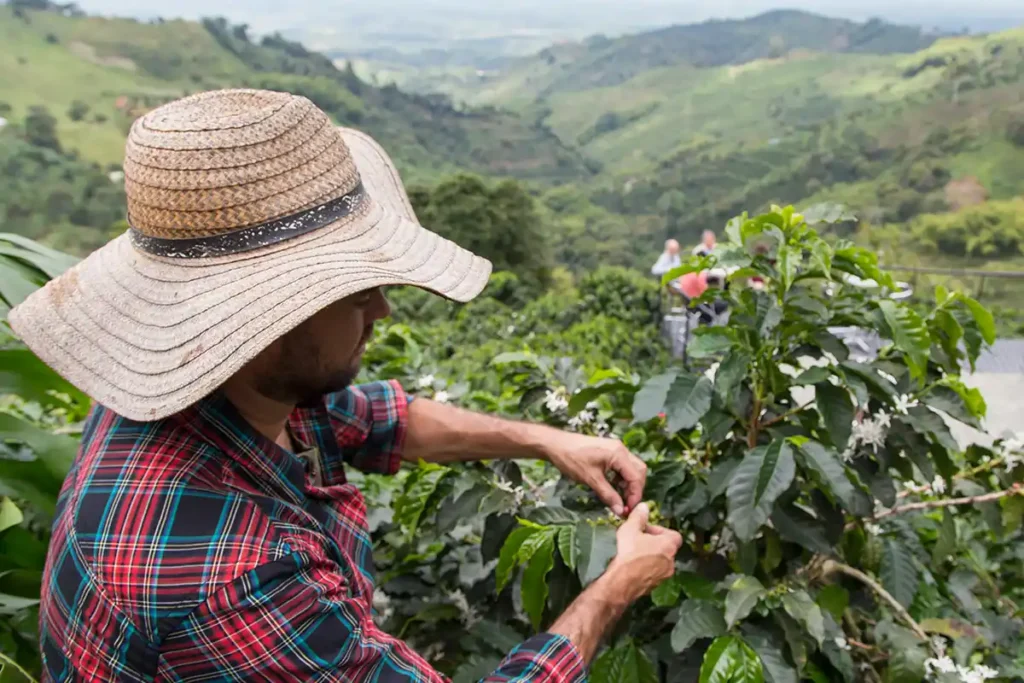
If one had to define Colombia with one word, that would be “variety”. This is because the country offers a unique mix of cultures and traditions as well as the most diverse fauna and flora and geographical characteristics; all very close to one another, easy to plan within one trip, and all come with one special extra: extraordinary people that, eager to proudly show their country, will welcome every visitor.
The archeological sites of San Agustin, Tierradentro and the Lost City, the colonial cities and towns, like Cartagena, Villa de Leyva, Mompox and Popayan and the indigenous villages in Amazonas and the Sierra Nevada de Santa Marta, are some examples of the cultural background of this country, which still remains intact.
The most diverse fauna and flora is present in the whole country, especially within the 55 protected natural areas which, according to their characteristics, have been classified as national parks and natural reserves, and some have become wildlife sanctuaries.
Over 300 beaches, most of which on the Caribbean coast and islands, can be visited to add some relax to a vacation, maybe after some fun, dancing salsa in Cali, or Vallenato in Barranquilla. In conclusion, Colombia is not only a destination that can be perceived as a novelty by many visitors but also offers the opportunity to organize perfectly combined trips that can satisfy any traveller’s expectations.
Regions
The Caribbean
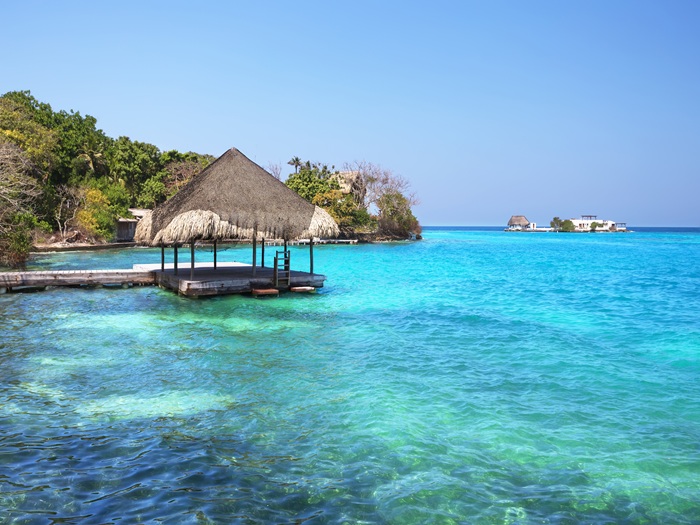
This region extends for 1.600 km (994 miles) along the Caribbean coast. It comprises desert on the peninsula of La Guajira; mountains covered by rainforest and perennial snow that form the Sierra Nevada de Santa Marta, the highest coastal mountain in the world (5.770 meters above sea level); cienagas (swamps) and plains in the departments of Magdalena, Cesar and Sucre; bays with white sandy beaches such as the Gulf of Morrosquillo; jungles in the Gulf of Uraba, and a dazzling view of the Caribbean.
Near Cartagena lie the archipelagos of Rosario and San Bernardo, coral paradises with islets of mangrove. Some 700 km (435 miles) from the coast, the archipelago of San Andres and Old Providence forms an oasis of life amid the sea, with islands, keys and reefs spread over 500 km (311 miles).
The Andes
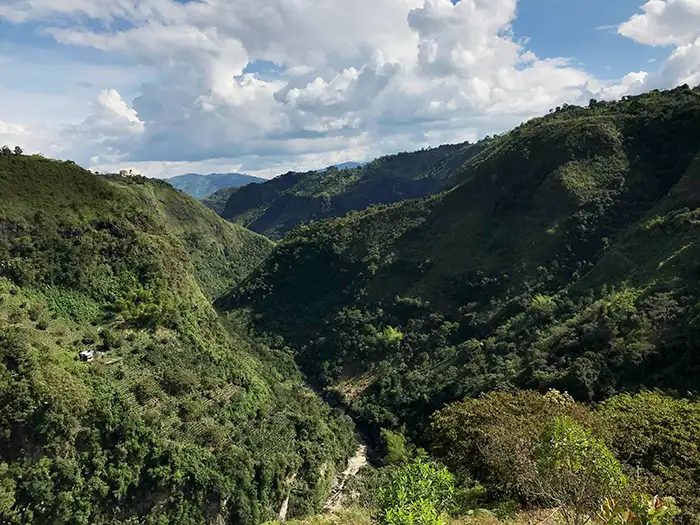
The longest mountain range in the world, the Andes enters Colombia in the Nudo de los Pastos in the south of the country, where it divides into two. In the Colombian Massif, the country’s main hydrographic star, it separates into three mountain chains that cross Colombia from south to north and create a rugged terrain, with peaks higher than 5.300 meters above sea level, expansive highland plains, deep canyons and broad valleys.
These three mountain chains, crowned by perennial snow, boggy paramos, Andean rainforests, deserts and marshes, produce terrain that varies with altitude and whose fertile soils support an immense variety of crops. They are also where the majority of the country’s population live.
The Pacific Coast
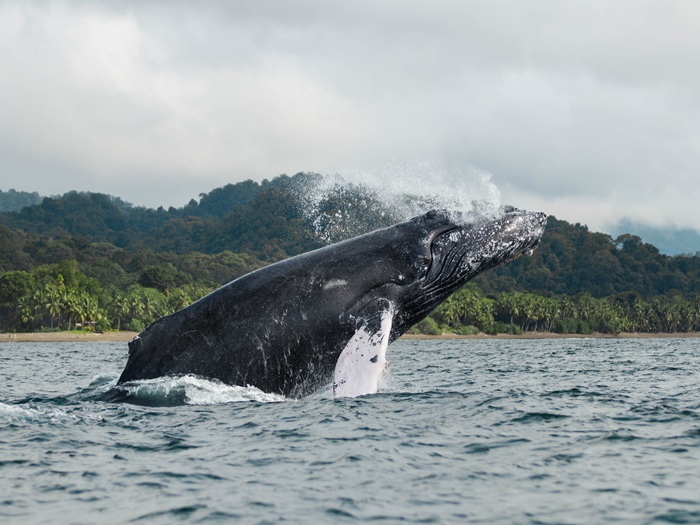
Stretching for 1.300 km (808 miles), the Pacific coast is one of the wettest regions on Earth, with a rainfall of over 10.000 mm3 per year. The northern part, where the hills of Baudó sink into the ocean forming bays and sounds, is a jungle region of great biodiversity. The flatter south is bordered by cliffs and beaches lined with mangrove and crossed by wide rivers.
Located 56 km. from the coast, the islands of Gorgona and Gorgonilla — one of the country’s national parks — are sanctuaries of flora and fauna. Their waters are visited by enormous humpbacked whales arriving from the South Pacific, while more than 300 km. from the coast, the island rock of Malpelo emerges from the depths of the ocean, surrounded by remarkable underwater life.
The Orinoquia
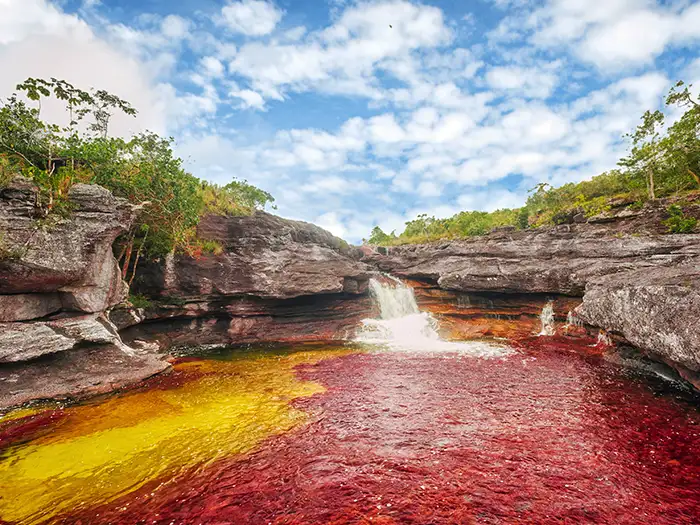
This vast region, which extends as far as the river Orinoco on the border with Venezuela, is a plain that spreads out eastwards, its savannas spotted with scrub and riverain forests. Crossed by broad rivers, the Orinoquia covers over 230.000 km2 (2 475 699 square feet), representing 20% of the country. The Serrania de La Macarena rises in the southwest, a formation independent of the Andes and endowed with immense biodiversity, in which natural elements of the Andes, the Amazon and the Orinoquia merge.

The Amazon
Of the 6.8 million km2 (2 625 483 square miles) of jungle that make up the Amazon basin, 400.000 km2 (154 440 square miles) belong to Colombia. This immense region, considered the lung of the Earth and one of the largest genetic banks of animal and vegetable species, is inhabited by numerous Indian communities who continue to preserve their ancestral way of life.
The INSULAR
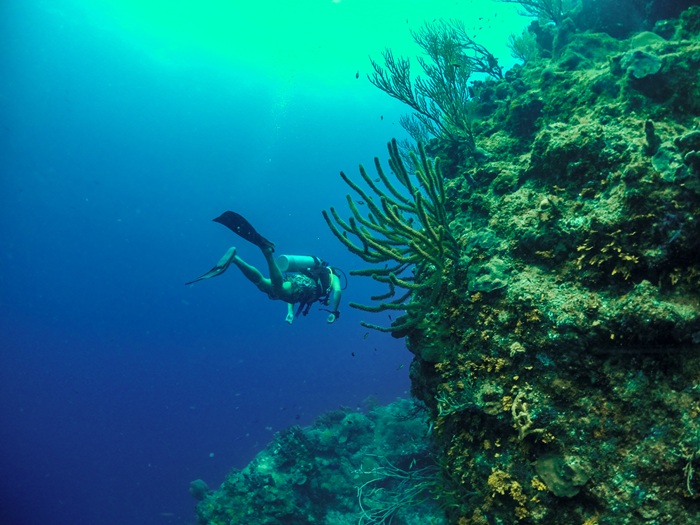
Scattered across the Caribbean Sea and the Pacific Ocean, Colombia’s insular region is made up of islands connected to the mainland by underwater platforms. Despite being one of the smallest regions, it stands out for its tropical climate, crystal-clear waters and extraordinary marine biodiversity.
In the Caribbean, the archipelago of San Andres, Providencia and Santa Catalina is famous for its coral reefs and its seven-colored sea. In the Pacific, the islands of Gorgona and Malpelo emerge as natural sanctuaries, protected as national parks and surrounded by rich underwater ecosystems.
Lobsters, manta rays, sea turtles and colorful fish abound in these waters, while unique natural events, such as the nesting of black land crabs, reflect the region’s close bond between land, sea and life.
Destinations
 Cost & Islands
 Temperate warm andes
 Cold Andes
 Amazon
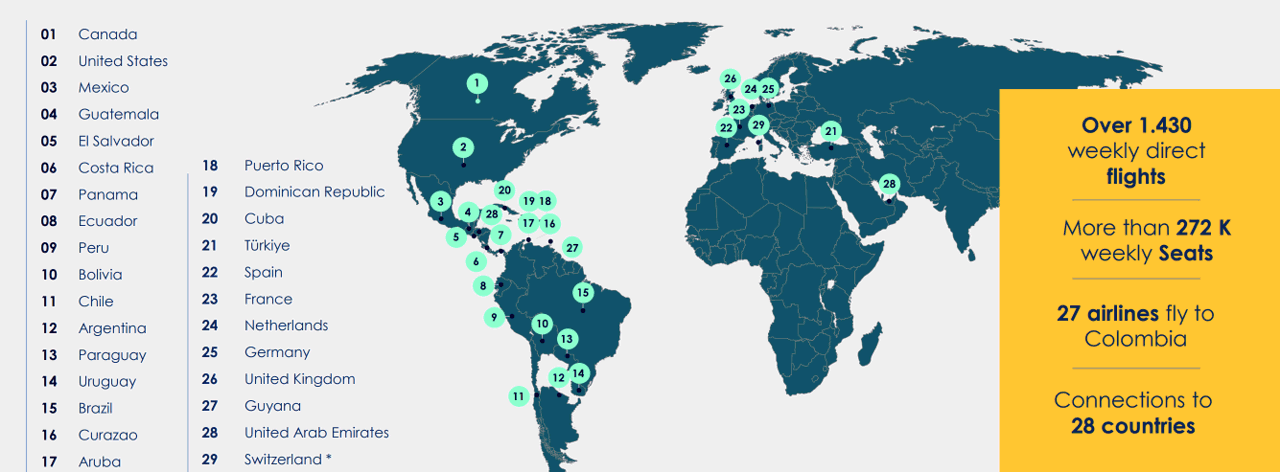
COLOMBIA’S INTERNATIONAL CONNECTIVITY
How far are you from the country of beauty?
Need more reasons to come to Colombia

1. The people
Friendly, happy, and full of warmth – Colombia’s people will steal your heart
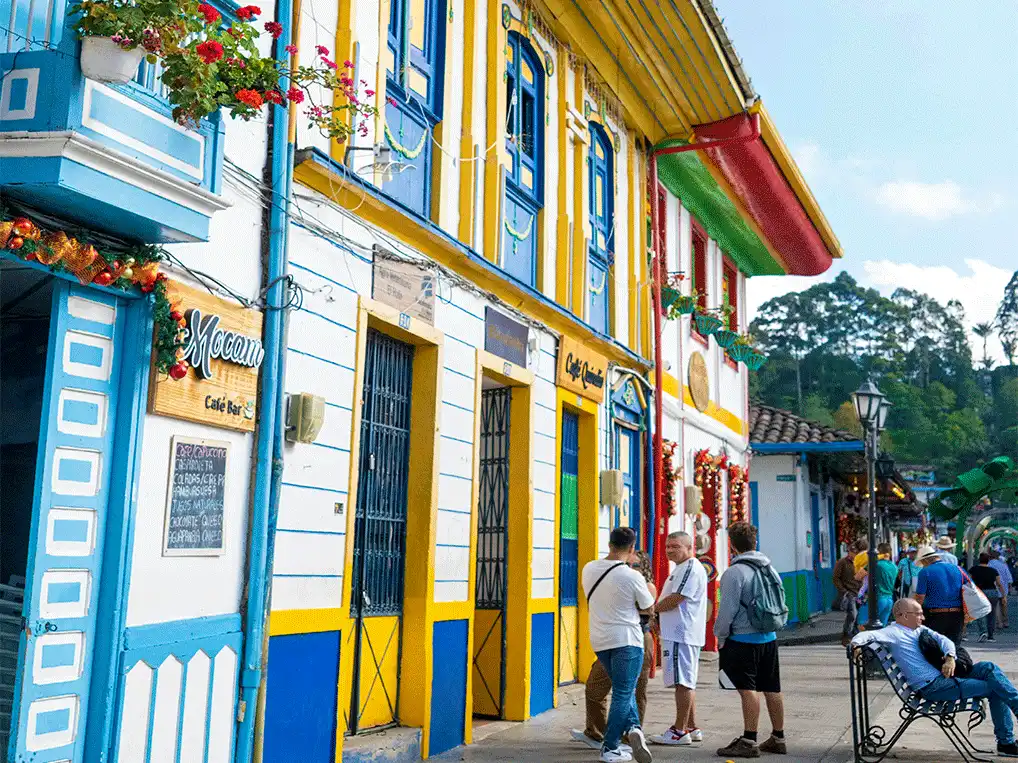
2. The colorful towns
Wander through vibrant streets where every corner bursts with color and charm
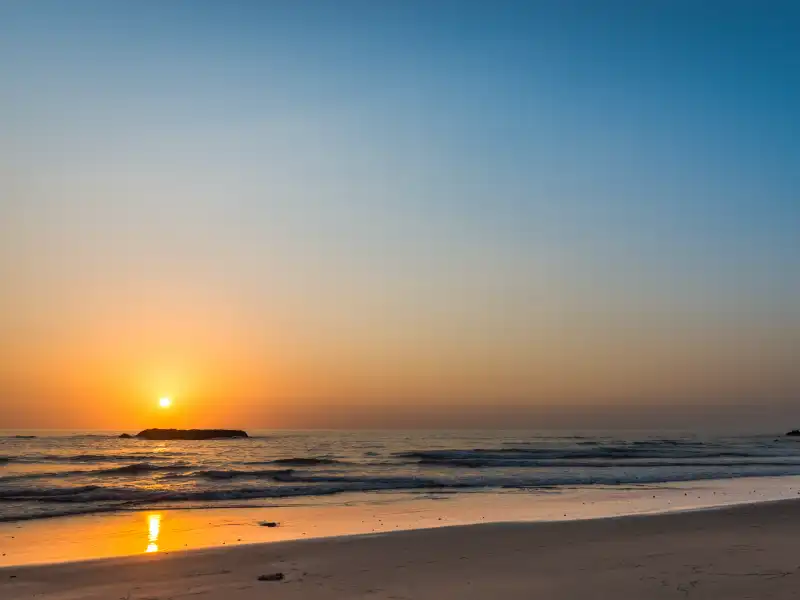
3. The scenery
From beaches to mountains, Colombia’s landscapes will take your breath away

4. The dancing culture
Dance to the rhythm of Colombia’s heart, where every beat tells a story

5. Archaeological wonders
Dance to the rhythm of Colombia’s heart, where every beat tells a story
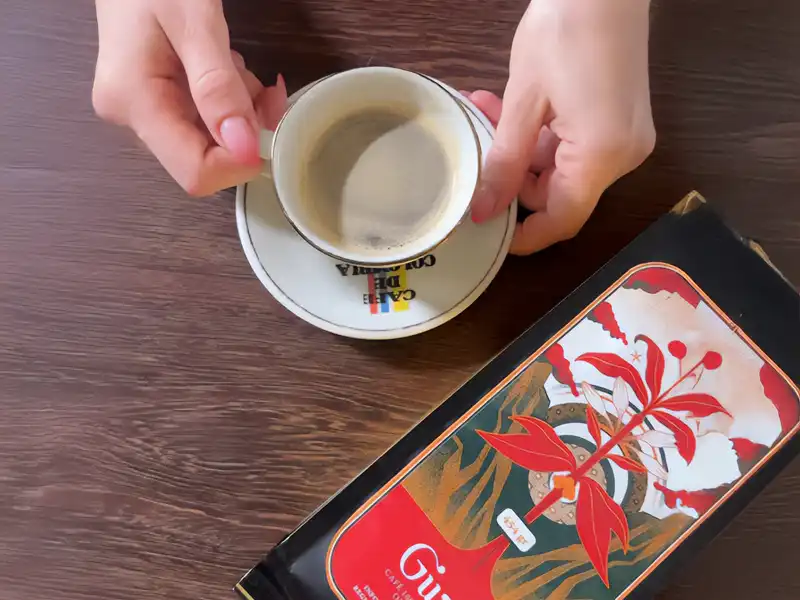
6. The coffee
Discover the rich flavors of Colombia’s world-renowned coffee
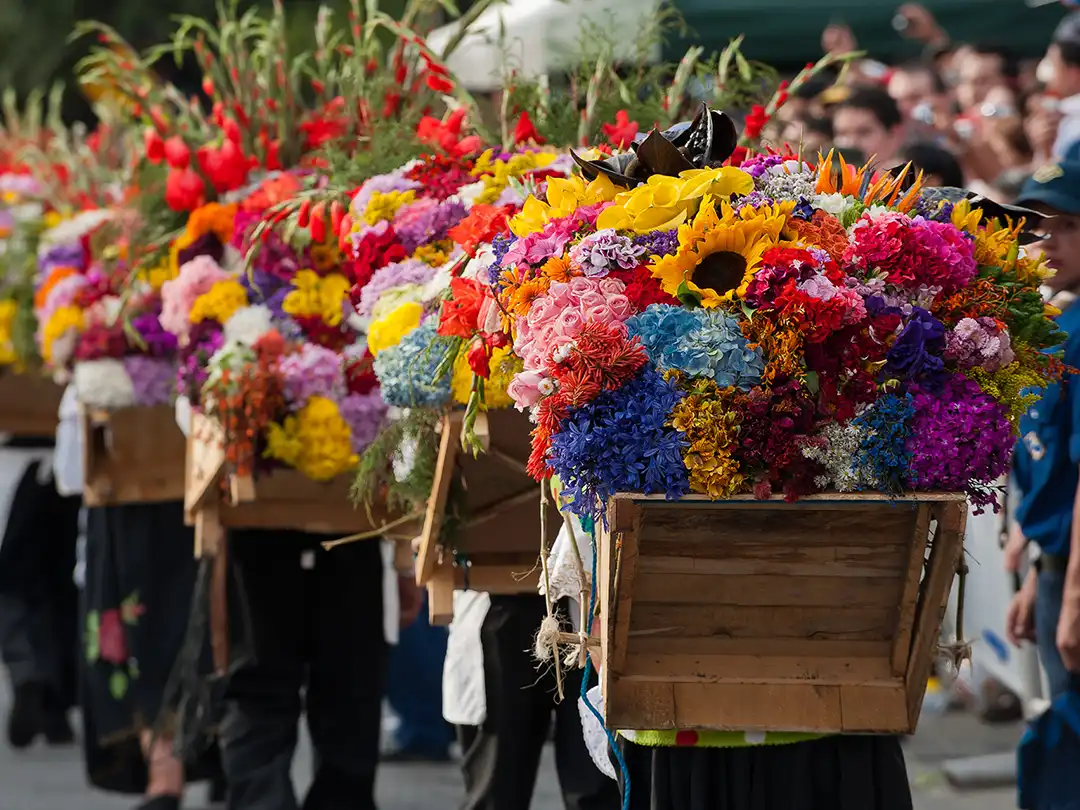
7. The flowers
Step into a world of vibrant flowers, where beauty blooms at every turn
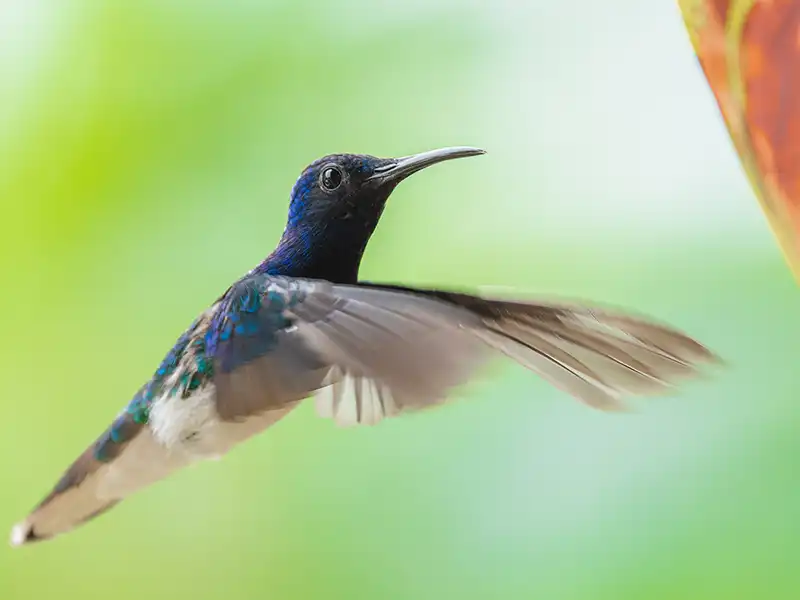
8. The most biodiverse country in the world
Colombia is home to 10% of Earth’s biodiversity, a true natural treasure
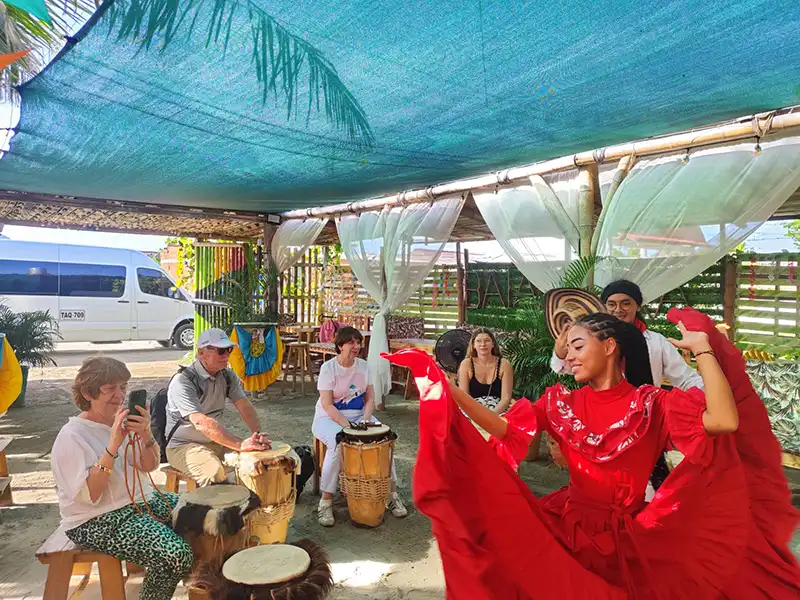
9. There is always something to celebrate
Live the Colombian joy, where every day is an excuse for a fiesta
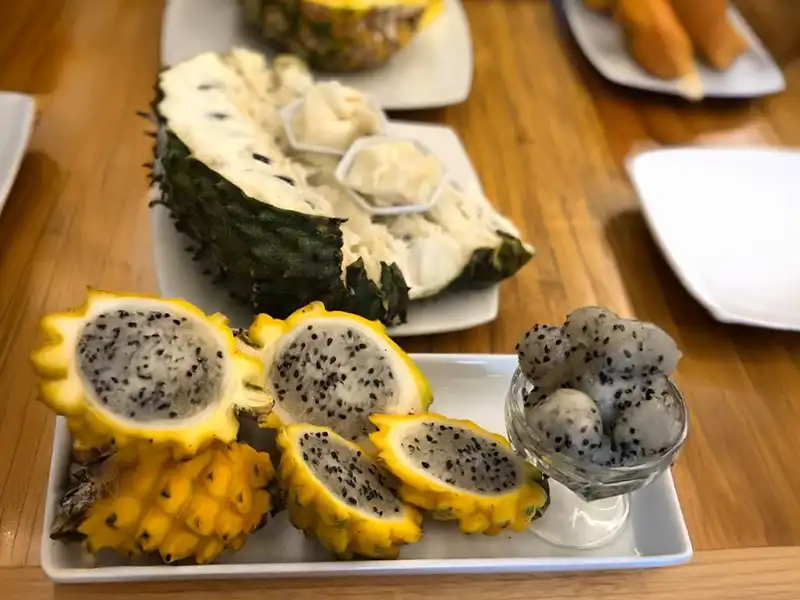
10. The fresh fruits are phenomenal
Taste the tropical magic of Colombia’s fresh, exotic fruits
Don’t just read about it, feel it, live it, experience it
ESSENTIALS FOR TRAVELING TO COLOMBIA
Traveling to Colombia is a diverse and unique experience. To make the most of it, it is useful to be aware of practical aspects of the country, from documentation and vaccines to mobility, safety, and local customs. Having this essential information makes planning and exploring smoother and safer.
Documentation and Visas:
To visit Colombia, foreign travelers must carry a valid passport. Depending on your nationality, a visa may also be required. Citizens of many countries in the Americas and Europe can enter without a visa and are typically allowed to stay for up to 90 days. Still, it is always advisable to confirm the requirements before your trip.
In addition, airlines may request proof of an onward or return ticket.
Travel Vaccination Requirements:
According to current regulations in Colombia, the yellow fever vaccine is not mandatory for entry into the country or for travel within national territory. However, a yellow fever vaccination certificate is required for travelers aged 1 year or older arriving from Angola, Brazil, the Democratic Republic of the Congo, or Uganda, as well as for those who have transited for more than 12 hours through an airport in any of these countries. Additionally, while the vaccine is not required for general travel within the country, could be mandatory for entry into certain national parks, including Tayrona Park, unless the traveler expressly declines it. If travelers are unable to present a valid yellow fever vaccination card, or if they cannot receive the vaccine due to age or medical reasons, they must complete and sign a liability waiver form.
Prices, Currency, and Payment Methods
- The official currency is the Colombian peso (COP). The most common denominations are:
Coins: $50, $100, $200, $500, and $1,000.
Bills: $2,000, $5,000, $10,000, $20,000, $50,000, and $100,000.
It is important to note that bills in Colombia use many zeros, so a $50,000 bill is equivalent to approximately 12 US dollars (depending on the exchange rate of the day). - Credit and debit cards are widely accepted in shops, hotels, and restaurants, especially in urban areas. However, it is recommended to carry cash for small purchases or in rural areas where card use is more limited.
- ATMs are available in most cities and airports. They accept international cards such as Visa, MasterCard, American Express, and Diners Club. It is advisable to use ATMs located in safe places, such as shopping malls or banks.
- Currency exchange offices can be found both at airports and in major cities. While airports offer easier access, their exchange rates are usually less favorable; therefore, for better rates, it is recommended to exchange money at currency exchange offices in the city.
Electrcity and Connectivity:
- Plugs and voltage: In Colombia, type A and B plugs are used, with a standard voltage of 110 V and a frequency of 60 Hz, the same as in the United States. Travelers from countries with different systems may need an adapter and, in some cases, a voltage converter.
- Internet and Wi-Fi: Internet connection is generally good in urban areas. Hotels, cafés, and some tourist attractions offer free Wi-Fi, although in rural or remote areas coverage can be limited.
- SIM cards: Purchasing a local SIM card is a convenient and affordable way to stay connected. A SIM card costs around COP $5,000; plus, the data plan you choose. The main recommended operators are Claro, Movistar, and Tigo. They are available at airports, phone stores, and authorized points of sale, and you will need to present your passport.
- Mobile coverage: Service is reliable in major cities and towns, but in rural, mountainous, or jungle areas coverage may be weak or unavailable.
Tips:
Tipping practices in Colombia can vary depending on the type of service. Here’s a general guide:
Restaurants: A tip of around 10% of the bill is customary. Some places automatically include it, so it’s worth checking with the server.
Taxis: Tipping is not common. In most cities, taxis use a meter, and you simply pay the amount shown. However, in cities like Cartagena, taxis don’t use meters, and fares are usually negotiated before the ride, so it’s a good idea to agree on the price in advance.
Luggage assistance: A tip of about USD $4 per bag is recommended for hotels or airport porters.
Tour guides and drivers: If you are happy with the service, a good guideline is to tip USD $10 per day for guides, and USD $5 per day for drivers.
Emergency Numbers (free countrywide phone lines):
National Police: 123
Civil Defense: 103 or 57 (601) 319 9000 Bogotá
Colombian Red Cross: Log on to https://www.cruzrojacolombiana.org/ and check the office number of the corresponding department.
Colombia does not have traditional seasons like spring, summer, fall, or winter. This may seem strange to travelers from countries with marked seasons, but it is one of the reasons why Colombia can be visited year-round.
How is the climate in Colombia?
Coast & Islands:
The Colombian Caribbean region enjoys warm and sunny weather almost all year, making it perfect for beach lovers. The rainy season usually falls between September and November, but showers are often short and followed by sunshine.
The Pacific, Is one of the rainiest places on Earth. The most stable weather is between July and October, which is also the best time to go whale watching.
Temperate/ Warm Andes:
In the mid-altitude areas, like Medellín or the Cultural Coffee Landscape, the climate is more temperate, with temperatures between 20°C and 28°C. There are often afternoon showers, especially in the coffee-growing areas.
This variety of climates is perfect for those who want to experience both cool mountain air and warmer valleys.
High/ Cold Andes:
In the higher areas, such as Bogotá, the climate is cool, with temperatures ranging from 10°C to 20°C.
Amazon Forest and Flat Lands:
- Guaviare, the climate varies significantly between the dry season (December to May) and the rainy season (May to December).
- Easterns Plains, the region, experiences a dry season from November to April and a rainy season from April to November.
- Caño Cristales can be visited year-round. From June to November, the rainy season brings out the river’s famous vibrant colors.
In the dry season (December to March), the colors are not as bright, but the natural beauty of the area remains stunning.
Domestic Flights
In Colombia, there are several national airlines that make it easy to travel between cities. The main domestic carriers are Avianca, LATAM, and Wingo. Local airlines, such as Satena and Clic connect regional destinations, including Bahía Solano, Caño Cristales, Guaviare, Putumayo and Providencia, offering quick and convenient options.
Urban Mobility (Transport Apps and Authorized Taxis):
Getting around cities in Colombia is easy and convenient. Popular ride-sharing apps such as Uber, Cabify, and DiDi provide quick, safe, and affordable trips.
For taxis, always choose authorized ones, which usually display a license number on the door. In major cities like Bogotá and Medellín, taxis are regulated and can be paid with cash or card. In Cartagena, taxi fares are agreed upon with the driver in advance. If a taxi does not have a meter, always agree on the fare before starting your trip.
Safety
In Colombia has improved significantly in recent years, but it is always recommended to take precautions, as in any other part of the world. Some essential tips for travelers are:
- Avoid wearing visible jewelry, expensive watches, or other valuables.
- Keep belongings in sight and do not leave bags unattended in public spaces.
- Carry purses or backpacks in front of the body in crowded areas.
- Use taxi applications such as Cabify, Uber, or DiDi, or take taxis from authorized booths in shopping malls, airports, and bus terminals.
- Observe the surroundings before using a camera or smartphone for photos, messages, or calls.
- Do not carry the passport, all money, or all cards always.
- Avoid buying items on the street or using drugs.
- Do not use ATMs on deserted streets or at night.
Water and Safe Consumption
In most of Colombia’s major cities, the tap water is safe to drink. However, in more rural areas or places with limited infrastructure, it is recommended to drink bottled water. Always ask your host or guide if you are unsure about the water quality in a particular place.
Traveling Responsibly (Sustainability, Cultural and Environmental Respect)
Colombia is home to incredible natural beauty and diverse ecosystems. To help preserve this, it’s important to travel responsibly:
- Respect local cultures by learning about the customs and traditions of the communities you visit.
- Avoid using plastic whenever possible and support businesses that are committed to sustainable tourism.
- Be mindful of the environment by not disturbing wildlife and leaving no trace of your visit to nature.
Colombia has many expressions and words that reflect its unique identity and lively culture. For example, Qué chévere! means How cool!, parce is an informal way to say friend, bacano describes something enjoyable or fun, tinto refers to a black coffee, rumba means party, and me regalas is used to politely ask for something. Learning and using these expressions helps travelers connect with locals and experience Colombian culture in a more authentic way.
Colombia is a country full of color, music, and traditions that shine all year long. In every corner, joy takes over the streets through carnivals, fairs, and festivals where dance, art, and local flavor create unforgettable atmospheres. Among the most emblematic are the Carnival of Barranquilla (February or March), one of the largest and most colorful carnivals in the world; the Blacks and Whites Carnival in Nariño (January), a vibrant cultural expression from southern Colombia; the Flower Festival in Medellín (August), a celebration that turns the city into a garden of traditions and innovation; and the Cali Fair (December), a week filled with salsa, music, and local heritage.
Beyond these iconic dates, cities like Bogotá, Cartagena, and Medellín have positioned themselves as hubs for concerts, music festivals, and international conferences throughout the year. This growing cultural and entertainment scene has made Colombia not only a land of deep-rooted traditions but also a dynamic stage for contemporary experiences that attract visitors from all over the world.
Colombia’s cultural diversity is remarkable. Indigenous communities are present in 27 of the 32 departments, with at least 87 ethnic groups and around 65 indigenous languages, representing approximately 3.5% of the population. Afro-Colombian populations and other regional groups also contribute unique traditions, crafts, music, and cuisine. Travelers can explore this richness through local markets, cultural tours, and community experiences, gaining a deeper understanding of the country’s heritage and vibrant identity.
More than just leisure or incentive trips in Colombia, those who come to our country find experiences full of magic that go beyond the mold of traditional tourism. Pleasant situations arise at every moment that add color and flavor and surprise travelers with different experiences.
So let yourself and your clients enjoy this wonderful country and let us amaze you!


