The city of Popayán is well-known for its beautiful colonial architecture, often referred to as the ‘White City’ due to the prevalence white-walled homes, buildings, and several churches in the historic center. Founded in 1537 by Spanish Conquistador Sebastián de Belalcázar, it played an important role during the colonial period as it was the mid-point of gold in the journey between Lima, Quito and Cartagena on its way to Spain.
As a result of its colonial importance, Popayan’s historic center is one of the most beautiful and well preserved in Colombia. There are stunning churches such as the Iglesia de San Francisco, the Iglesia de Santo Domingo, the Iglesia de San José, the Iglesia La Ermita, the oldest which dates to 1546, and the Cathedral Basilica Nuestra Señora La Asunción in neoclassical style with the attached Clock Tower, main symbol of the city. Although the city was damaged by an earthquake in 1983, most historic colonial architecture was completely restored. Popayán is also widely known for the solemnity of its Easter Week sacred processions, a tradition dating back to colonial times in 1558. In 2009 Popayán’s Easter Week celebrations were declared by UNESCO as a Masterpiece of Intangible Cultural Heritage of Humanity. During Easter Week, Popayán also hosts the Religious Music Festival.

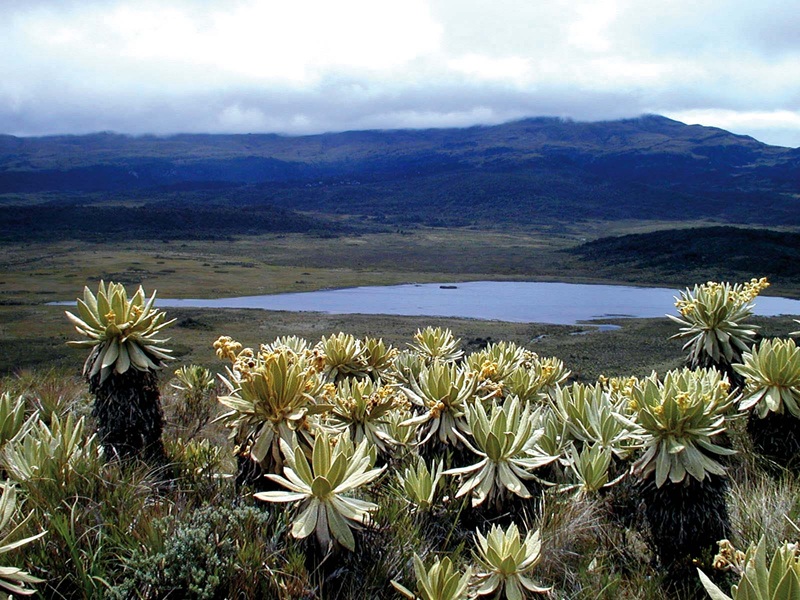
The Morro de Tulcán is the main archeological site, an ancient pre-Hispanic pyramid. Nearby is the Puracé National Natural Park, a geothermal land of waterfalls and an inactive snow peak volcano of the same name. Another cultural highlight nearby is the town of Silvia, about one hour by car from Popayán, where every Tuesday the Misak indigenous community (before called Guambianos) gathers for a colorful market that reflects their traditions and way of life.
Get Inspired
Other Destinations
Rosario Islands & Barú Peninsula
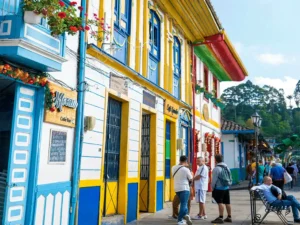
The Coffee Cultural Landscape
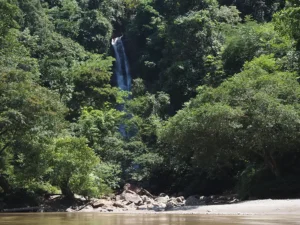
Putumayo
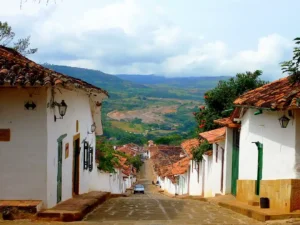
Santander
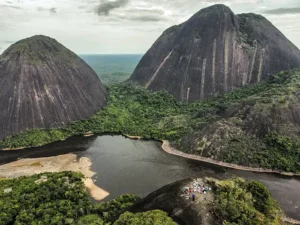
Guainía: Cerros de Mavicure
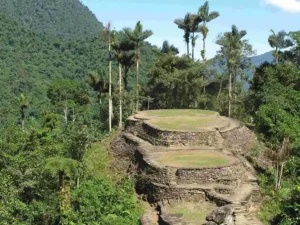
Lost City
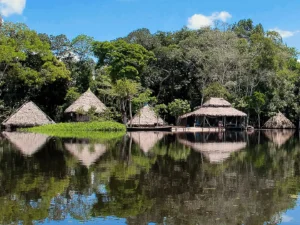
Amazonas
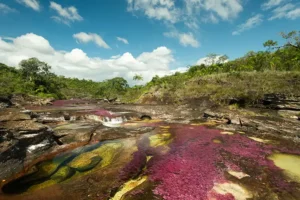
Caño Cristales
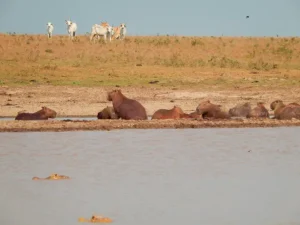
Eastern Plains
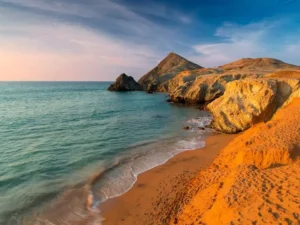
La Guajira
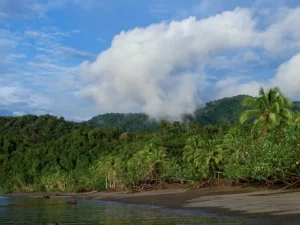
The Pacific

San Andrés, Providencia & Santa Catalina
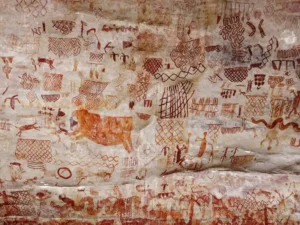
San José del Guaviare
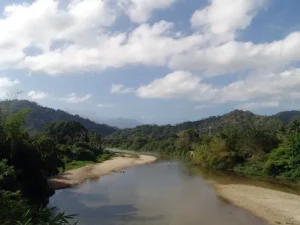
Palomino
Villa de Leyva

Caquetá
Santa Marta & Minca