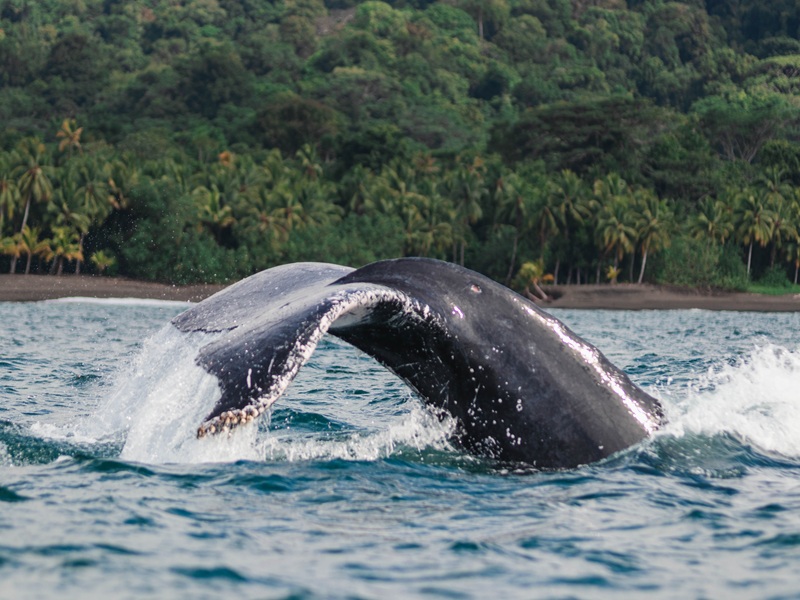
The Colombian Pacific Coast is a region that blends exuberant tropical rainforest, exotic beaches, rich fauna and flora, warm hospitality, and a vibrant cultural heritage. Each year, between July and October, humpback whales arrive from the north with their newborns in search of warm waters, joined by migratory birds and marine turtles. Additionally, between October and January, visitors can experience sea turtle release season, a meaningful encounter with nature and conservation.
The climate is warm and humid, typical of a tropical rainforest, with an average temperature of 28°C (82°F).
Gorgona National Park is one of the great natural jewels of the Pacific Coast and a paradise for nature lovers and adventurers. Located offshore from the town of Guapi, about one hour and forty-five minutes away by boat, the island encompasses 2,600 hectares of land and over 61,000 hectares of protected marine area. Arrived at by Spanish conquistador Pizarro in 1527, Gorgona later functioned as a prison until 1985, when it was declared a National Natural Park to protect its endemic species, lush ecosystems, and surrounding coral reefs.
Further north lies Malpelo Island, an isolated sanctuary in the Pacific Ocean, recognized by UNESCO as a World Natural Heritage Site for its extraordinary marine biodiversity. Its waters are considered among the best diving destinations in the world, home to schools of hammerhead sharks, whale sharks, giant manta rays, and countless other species. biodiversity make it a favorite destination in this region.
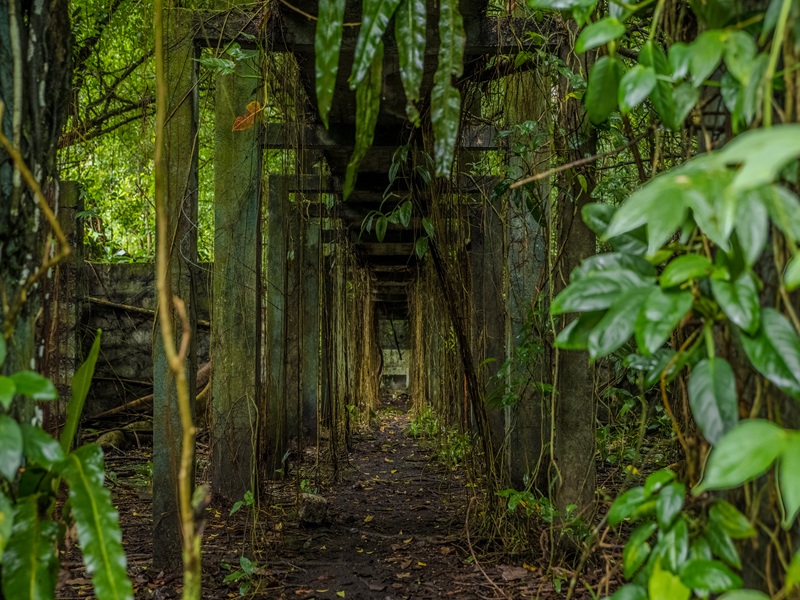

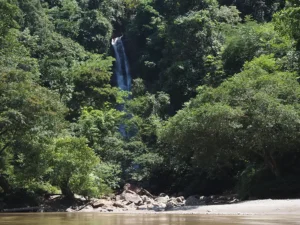
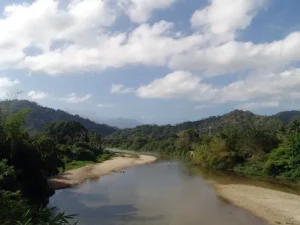
Nuquí is located in the northern Pacific region of the Chocó department and can be reached by flight from Quibdó or Medellín, or by boat from Bahía Solano. It is a paradise for birdwatchers, water sports enthusiasts, anglers, and lovers of untouched nature. Nuquí offers spectacular views of rainforest-covered hills, wild beaches, waterfalls, multicolored stones, exotic plants, and rare wildlife within one of the most biodiverse ecosystems on Earth.
Bahía Solano is known for its powerful waves, lush rainforest scenery, and impressive waterfalls, making it one of the most appealing destinations along the Pacific coast and an important access point to surrounding natural areas.
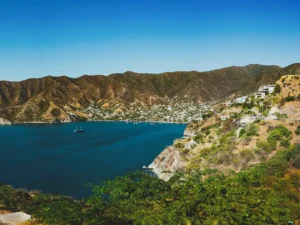
Just to the south lies Utría National Natural Park, one of the most emblematic protected areas of Colombia’s Pacific region. The park is defined by the striking contrast between dense tropical rainforest and the calm, sheltered waters of Utría Bay. Its mangroves, coral formations, and abundant marine life make it a privileged destination for whale watching, kayaking, hiking, and immersive experiences in pristine nature.
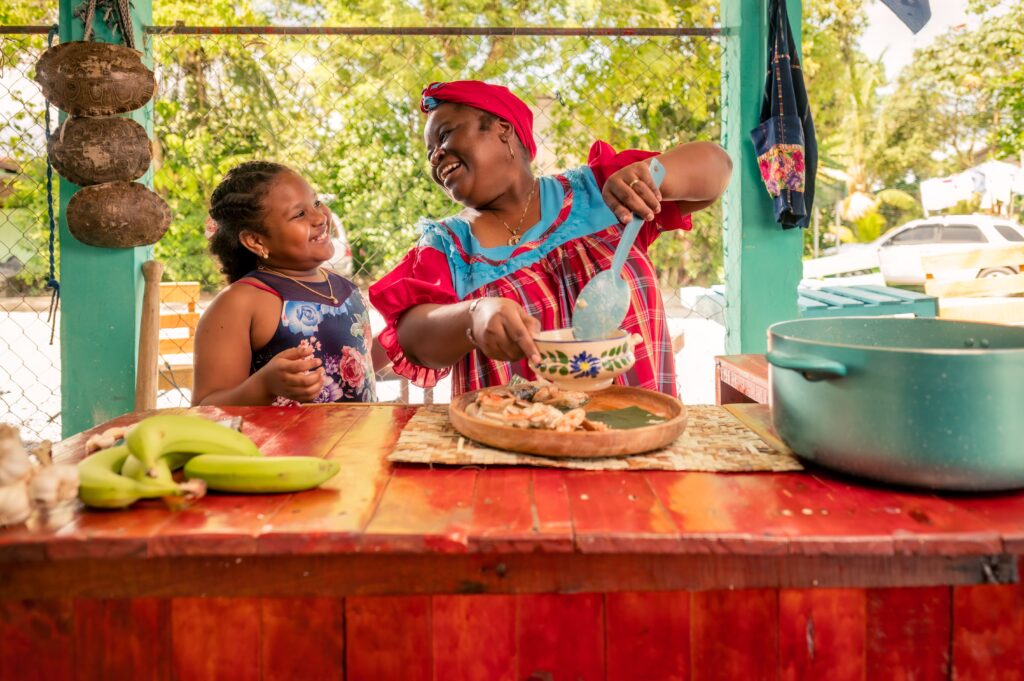
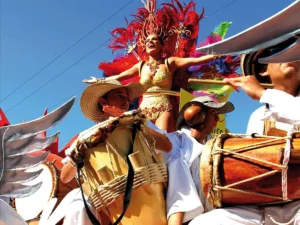
The culture of Colombia’s Pacific region is deeply rooted in its Afro-descendant heritage and its close relationship with nature. Music plays a central role, with rhythms such as currulao, juga, and bunde performed using traditional instruments like the marimba de chonta, cununos, and bombo drums. Local cuisine reflects the richness of the land and sea, featuring coconut-based seafood stews (encocados), tapao, crab rice, and traditional beverages such as viche. Afro-Colombian and Indigenous communities, including the Emberá and Awá peoples, preserve strong cultural identities through festivals, rituals, and community life centered around the rivers, offering travelers an authentic and vibrant cultural experience.